digital marketing

How to Use Social Media Marketing Effectively in 2025: A Comprehensive Guide

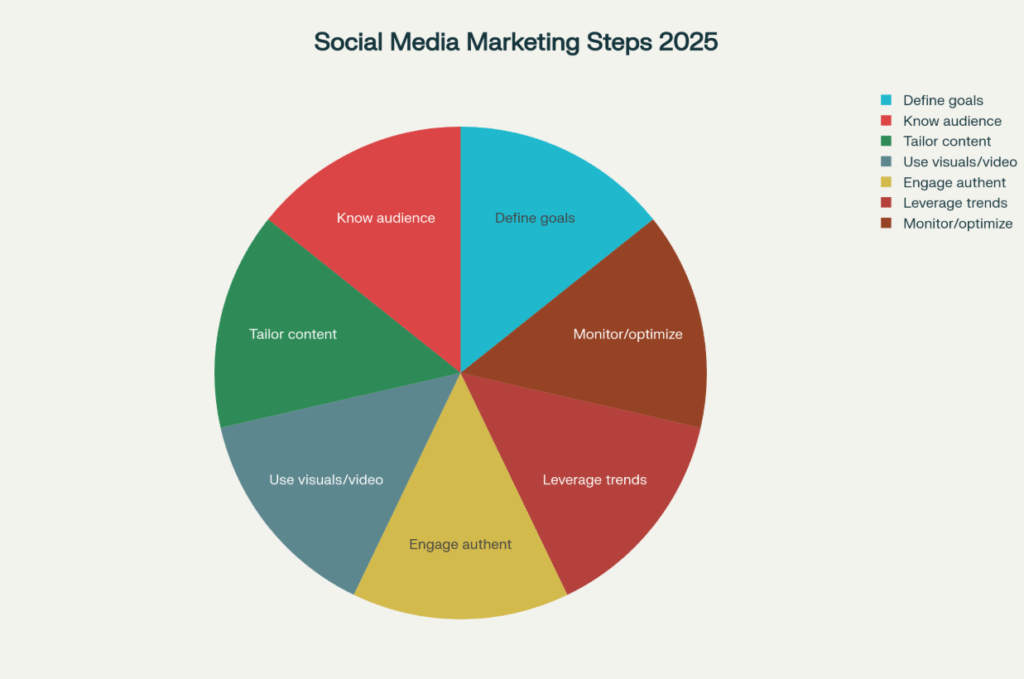
Social media marketing remains one of the most powerful tools to build brand awareness, engage with customers, and drive business growth in 2025. However, with constantly evolving platforms, shifting audience behaviors, and smarter algorithms, effective social media marketing requires strategy, creativity, and agility. Here’s an in-depth, easy-to-follow guide on how to use social media marketing effectively in 2025, designed to help businesses and marketers of all sizes thrive in the digital landscape. 1. Define Clear Goals and KPIs Every successful social media strategy starts with setting well-defined goals aligned with your overall business objectives. What do you want to achieve? Increase brand awareness Drive website traffic Generate leads or sales Build a loyal community Having clear goals allows you to focus your efforts and track performance meaningfully. Identify key performance indicators (KPIs) like engagement rate, click-through rate, follower growth, or conversions to measure success accurately. 2. Know Your Audience Inside Out Understanding your audience’s demographics, interests, pain points, and online behavior is essential. Use platform analytics tools like Meta Audience Insights, LinkedIn Analytics, or TikTok Creator Center to gather comprehensive data. Create detailed audience personas that include psychographics such as values, motivations, and lifestyle aspects. The deeper your understanding, the better you can tailor messages that resonate and drive action. 3. Tailor Content to Each Platform Each social media platform has unique features and user expectations: Instagram and TikTok: Focus on visually engaging short videos like Reels and Stories, tapping into trends and authentic storytelling. LinkedIn: Share industry insights, thought leadership articles, and professional updates, ideal for B2B marketing. Facebook: Great for community building, events, and sharing diverse content types. Pinterest: Use visually-rich pins to drive traffic, especially for lifestyle, DIY, and e-commerce brands. YouTube: Long-form videos such as tutorials, reviews, and storytelling foster brand engagement. Optimizing your content format and tone for each platform increases its relevance and reach. 4. Use Strong Visuals and Video Content Visual-first content dominates social media. Videos generate higher engagement and shares than other formats. Incorporate: Short, authentic videos and reels Behind-the-scenes footage Customer stories and testimonials Infographics and branded templates Remember, authenticity is more important than perfection. Content that feels real and relatable builds trust and connection. 5. Engage Authentically and Foster Two-Way Interaction Social media is not just about broadcasting messages. Building genuine relationships with your audience boosts loyalty and organic reach. Respond promptly to comments and direct messages. Run polls, ask questions, and encourage feedback. Feature user-generated content (UGC) to showcase customer stories. Create hashtag campaigns to encourage participation. This engagement signals to algorithms that your brand is active and relevant, increasing visibility. 6. Leverage Trends, Hashtags, and Keywords Stay on top of emerging trends and viral content formats to keep your brand fresh and visible. Use trending hashtags strategically but remain relevant to your content and audience. Incorporate social media search optimization by using keywords naturally in captions, bios, and posts to improve discoverability. 7. Monitor, Analyze, and Optimize Regularly Track your social media performance daily or weekly using analytics dashboards. Analyze what content performs best, which times yield higher engagement, and how audience demographics shift. Use these insights to refine your content strategy, posting schedule, and targeting. Testing and adapting are keys to sustained success. Bonus Tips for Success Prioritize Brand Authenticity: Share your brand’s story, values, and real experiences to build emotional connections. Invest in Paid Social Advertising: While organic reach is vital, using paid ads with precise targeting helps you scale fast. Leverage Employee Advocacy: Encourage your team to share company content to amplify your brand reach authentically. Optimize Profiles: Use clear bios with keywords, calls-to-action, and links to your website or landing pages. Create Content Pillars: Develop recurring themes that reflect your brand and meet audience needs for consistency. Final Thoughts Effective social media marketing in 2025 is built on clear goals, deep audience understanding, tailored content, authentic engagement, and agile optimization. By embracing visual storytelling, leveraging platform strengths, and focusing on genuine connections, your brand can rise above the noise and foster meaningful relationships that drive real business growth.
digital marketing

How to Generate Free Traffic Within 20 Days or Less: A Practical Guide for 2025

Generating free website traffic quickly might sound challenging, but with a strategic, focused approach, you can start seeing significant visitor growth within just 20 days. The key is to leverage organic methods, smart content creation, and engagement tactics that deliver fast-impact results without spending a dime. Here’s a comprehensive 800-word blog that breaks down how to generate free traffic within 20 days or less, using effective, proven techniques relevant for 2025. 1. Optimize Your Google Business Profile If you have a local or service-based business, make sure your Google Business Profile is fully optimized and up to date. An optimized profile gets 7 times more visits than an incomplete one and can quickly drive organic traffic from local searches. Add accurate contact details, business hours, photos, and posts. Collect and respond to reviews to build trust and rankings. This is a fast and free way to attract local traffic and leads. 2. Leverage Social Media Platforms Actively Social media is one of the fastest ways to generate free traffic to your site. Share your content on platforms like Facebook, Instagram, X (formerly Twitter), LinkedIn, and TikTok. Use trending hashtags strategically to extend your reach beyond your followers. Engage authentically: reply to comments, join conversations, and participate in relevant groups. Post engaging visuals, videos, and stories that encourage shares. Social media shares can spread fast and lead to immediate traffic spikes. 3. Post to Online Communities and Forums Find niche-related forums, Reddit subreddits, Quora, or other Q&A sites where your target audience hangs out. Provide genuinely helpful answers and insights. When relevant, include a link to your website or specific content. This tactic establishes you as an authority and brings targeted visitors fast. Platforms like Quora receive hundreds of millions of visits monthly and are untapped goldmines for traffic. 4. Create and Share Content That Answers Specific Questions Focus on creating blog posts or short videos that answer clear, specific questions your audience has. Examples: “How to do X,” “Top tips for Y,” or “What is Z?” These content types align with search intent and social sharing. Share your content on social media and forums for quick traction. Quality content positions you as a go-to resource, encouraging return visits. 5. Use Free Website Traffic Generators Cautiously There are legitimate free traffic generation platforms like SparkTraffic or Getthit that promise immediate traffic boosts. These tools can deliver thousands of page views within minutes visible in Google Analytics. Traffic might not always be highly targeted, but it can boost your stats and visibility. Always pair them with organic strategies for best results and long-term benefit. 6. Implement On-Page SEO Quick Wins You don’t need to overhaul your site to start ranking better fast. Optimize page titles, meta descriptions, and headings for relevant keywords. Improve loading speed and ensure mobile responsiveness. Add internal links between your pages to keep visitors engaged. Google values user experience signals which help increase free organic traffic quickly. 7. Build Backlinks Quickly Through Guest Posting and Collaborations Backlinks from reputable websites help your SEO and generate referral visits. Reach out to complementary bloggers and sites for guest post opportunities. Offer to write useful content in exchange for a link back to your site. Collaborate via joint webinars, social shoutouts, or newsletters with partners in your niche. These links enhance search rankings and direct relevant traffic fast. 8. Send Traffic-Boosting Emails to Your List If you have an email list—even a small one—use it to drive quick traffic. Send a well-crafted newsletter highlighting new content, special offers, or guides. Personalize your email with clear calls-to-action leading directly to your site. Email traffic often converts better because recipients are already interested. 9. Host Small Contests or Engagement Activities Contests, giveaways, polls, or quizzes encourage shares and visits instantly. Promote these activities on social media and forums. Offer simple but appealing prizes related to your niche. These foster viral engagement and can turn casual viewers into visitors quickly. 10. Monitor, Analyze, and Adjust Daily Use Google Analytics or other tracking tools to monitor where your traffic comes from. Focus your efforts on channels showing the fastest returns. Tweak your messaging, posting times, and content formats based on data. Daily analysis means you can optimize quickly to maximize traffic within 20 days. Final Thoughts Generating free traffic within 20 days requires a combination of strategic optimism and consistent action. Focus on: Leveraging your existing assets (Google Business Profile, email list). Engaging actively on social media and community platforms. Creating helpful, targeted content tailored to your audience’s needs. Quick SEO optimizations and backlink building. Experimenting with free traffic tools cautiously. Keep your efforts authentic and audience-first. Traffic generated this way is not just fast but also quality traffic that builds a foundation for sustainable growth beyond the initial 20 days.

digital marketing

10 Proven Ways to Generate High Traffic on Your Website 

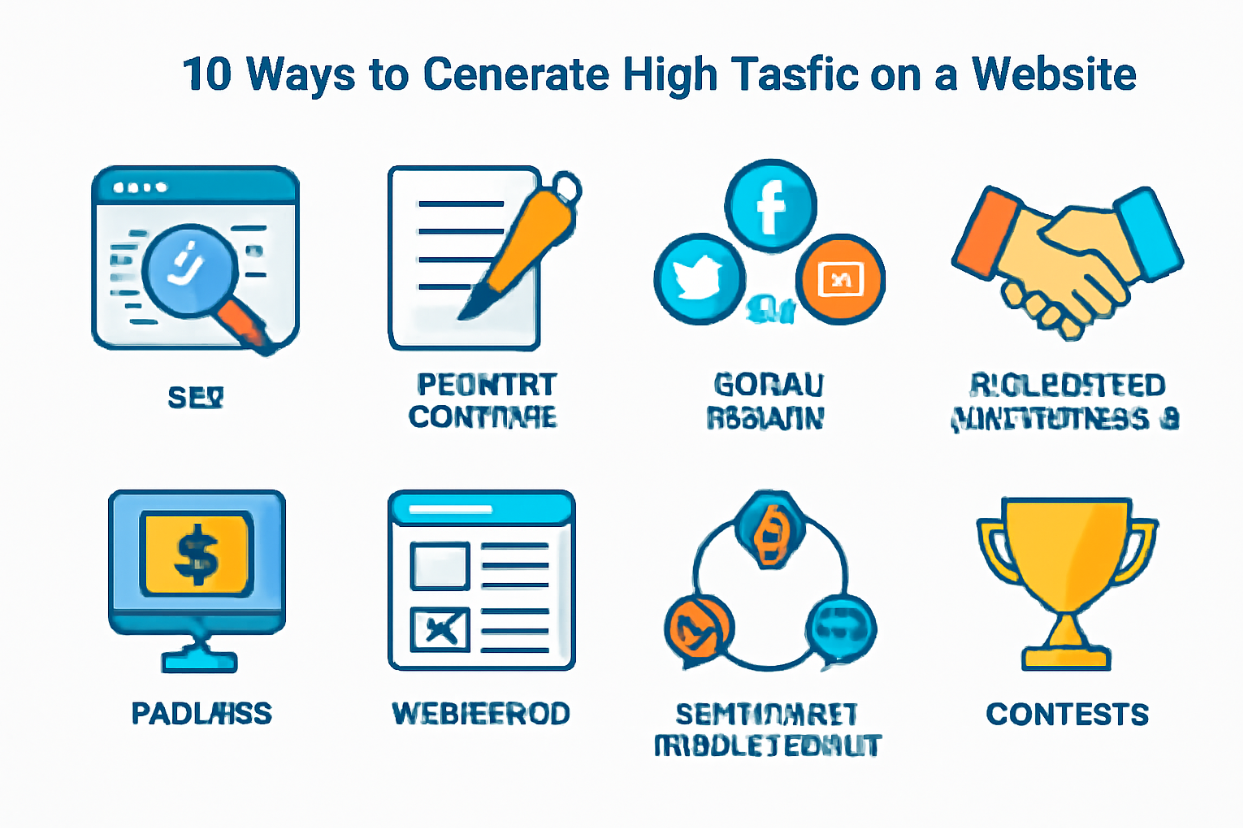
Driving high-quality, high-volume traffic to your website isn’t just about one viral post or a one-time ad campaign. It’s the result of consistent, strategic efforts across content, SEO, social media, partnerships, and smart use of technology. Here are 10 actionable strategies to help you attract a flood of visitors that keep coming back. 1. Optimize for Search Engines (SEO) Search engine optimization remains the cornerstone of long-term traffic growth. Constantly update your site for the newest SEO trends—focus on: Mobile-friendliness: Most visitors use phones to browse. Site speed: Faster sites get ranked higher and retain users. Targeting the latest keywords (including long-tail and semantic keywords). Optimizing meta tags and descriptions. Building quality backlinks from reputable sources. Tip: Regularly audit and refresh old content for new keywords and improved readability—it can boost traffic without writing new articles from scratch. 2. Create High-Quality, Relevant Content People visit websites for information, solutions, and entertainment. Content that genuinely helps your target audience stands out. Write actionable blog posts, guides, case studies, and infographics. Format for easy reading with bullet points and clear headings. Answer the real questions your audience is searching for. Remember: Quality beats quantity. One great resource can outperform dozens of mediocre posts. 3. Leverage Social Media Platforms Share your best content on platforms your audience uses: Instagram, Facebook, X (Twitter), LinkedIn, TikTok, and more. Post regularly and engage with followers through comments, questions, and polls. Use video content; videos get more shares and engagement. Run contests or giveaways to quickly boost visibility and social shares. Include clear calls-to-action that direct users back to your site for more info or exclusive offers. 4. Build and Nurture an Email List A well-maintained email list is a direct channel to your most loyal users. Offer valuable lead magnets (free ebooks, webinars, checklists) in exchange for sign-ups. Send regular, personalized newsletters with your latest content, promotions, or news. Use segmentation for targeted messaging based on user interests. Push notifications are another way to reach subscribers instantly with new posts or offers. 5. Collaborate with Influencers & Industry Partners Partnering with relevant influencers or other brands in your niche can quickly expand your reach. Send product samples to influencers in exchange for reviews or social posts. Guest post on blogs in your industry for exposure to fresh audiences. Build partner networks for cobranded campaigns, newsletter swaps, and joint webinars. Authentic partnerships drive trust and generate referral traffic for both parties. 6. Use Paid Advertising (Intelligently) While organic traffic is ideal, targeted ads can provide rapid boosts—if done strategically. Try Google Ads, Facebook Ads, Instagram, or niche platforms based on your audience. Use retargeting ads to bring past visitors back. Regularly test and tweak your campaigns for maximum ROI. Don’t rely solely on paid traffic; combine it with ongoing organic efforts for the best results. 7. Improve Website User Experience (UX) People stay longer on websites that load quickly, look great on all devices, and are easy to navigate. Optimize for mobile: Responsive design is a must. Streamline menus and layouts for clarity. Speed up load times by compressing images and using fast hosting. Add interactive elements—quizzes, calculators, or hover effects—to keep users engaged. 8. Harness the Power of Community & UGC Encourage your users to contribute: reviews, comments, photos, and stories. Feature user-generated content (UGC) to build trust and engagement. Engage with online communities, forums, or relevant groups to share insights and helpful resources. Run hashtag campaigns and encourage social sharing to build organic visibility. 9. Analyze and Spy on Competitors Track what’s working for the top performers in your field. Use tools like SEMrush or Ahrefs to analyze competitor content, keywords, and backlink strategies. Look for gaps in their approach and create superior content or features. Monitor which social channels and formats drive them the most engagement—and adapt. 10. Host Giveaways, Contests, or Events People love opportunities to win free products or exclusive perks. Run sweepstakes requiring users to share your site or enter their email. Incentivize social sharing and referrals for extra entries. Host online events (webinars, workshops) with guest experts to attract new users and establish credibility. Final Thoughts Generating high traffic in 2025 is about blending great content, smart SEO, genuine engagement, and sharp use of technology. The key is consistency—keep showing up, keep analyzing results, and keep adapting to audience needs and industry trends. With these 10 strategies, your website can become a thriving hub of visitors and loyal followers, setting you up for long-term growth and success.

digital marketing

How to Create Highly Targeted Ad Copies

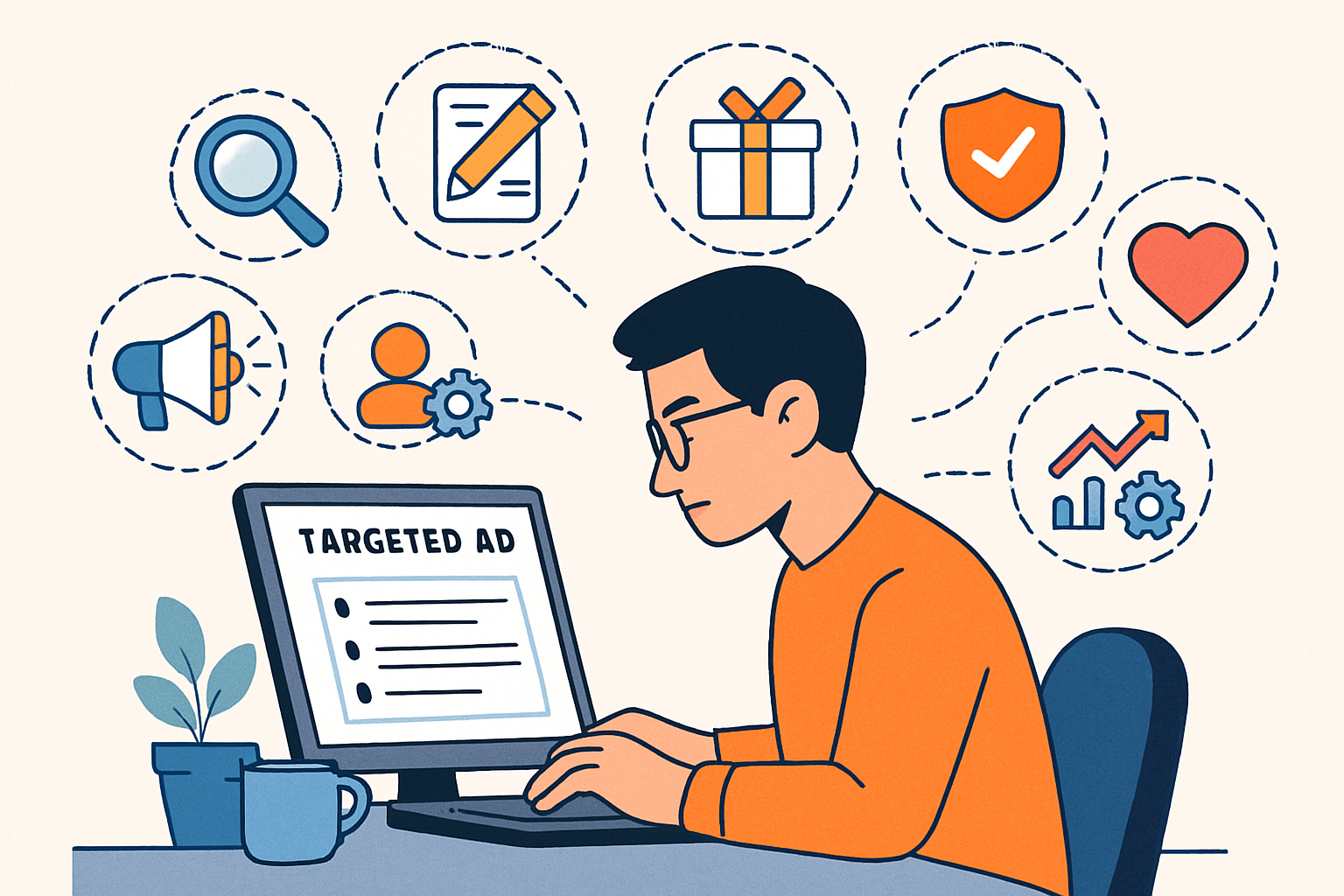
Highly targeted ad copy transforms casual browsers into motivated buyers. In today’s advertising landscape—dominated by short attention spans, intense competition, and smart algorithms—a “spray and pray” approach no longer works. Instead, thoughtful, targeted ad copy cuts through the noise and speaks directly to the right people at the right moment. Whether you’re managing Google, Meta, LinkedIn, or any digital ads, here’s an 800-word, step-by-step blog showing how to create ad copies that convert in 2025. 1. Know Your Audience (Deeply!) Every great ad copy starts with a crystal-clear understanding of your target customer. Go beyond demographics—explore psychological traits, pain points, goals, and triggers. Ask: What problem keeps them up at night? What solution are they actually searching for? What kind of language do they use? Tip: Create a simple customer persona. Give them a name, a daily routine, and a challenge your product/service solves. Write your ad as though you’re speaking directly to them—not a generic mass. 2. Craft a Compelling, Relevant Headline Your headline is prime real estate—it’s the first thing users notice. Great headlines are attention-grabbing and instantly relevant to your audience’s intent. Use bold statements, intruiging questions, or urgent offers. Mirror the customer’s query or need: e.g., “Struggling to Sleep? Discover Natural Relief Today.” Research shows headlines with 10-13 words perform best for engagement, but above all, they must directly speak to the audience’s need. 3. Highlight Benefits, Not Just Features Customers don’t buy a product—they buy a solution. Instead of “Our software has 128-bit encryption,” try, “Keep your data safe with bank-level security.” Focus on what the feature enables or how it solves the customer’s problem. Benefit-first: “Save time on busy mornings with our ready-to-eat meals.” Transform features into solutions: Know what each feature means for the user, and put that front and center. 4. Write Like You Talk (Be Conversational) People scroll past stiff, jargon-filled ads. The most effective ad copy feels like a friend offering advice—not a billboard shouting at traffic. Use active voice and short sentences. Speak directly: “You’ll love…” instead of “Customers will love…” Drop technical words unless they’re common for your audience. 5. Personalize Whenever Possible Generic ads are forgettable. The more your ad feels tailored to the individual—through name, interests, location, or behavior—the higher your chances of engagement. Include details specific to the user’s context or intent. Use dynamic elements (e.g., “Hi, Sarah! Still interested in fitness gear?”) Modern ad tools and AI can personalize content at scale, but always review for that authentic, human touch. 6. Create Clear, Action-Driven CTAs Every ad should prompt the user to take a single, clear next step: “Shop Now,” “Get Your Free Guide,” “Book a Demo.” Make your CTA specific, benefit-oriented, and visible. Use action verbs: Get, Discover, Claim, Join, Start. Match your CTA to your offer: “Download your free recipe book now!” instead of just “Click Here.” Personalized CTAs can perform over 200% better than generic ones. 7. Inspire Trust with Social Proof and Credibility Before acting, people want to know that others have benefited from your offer. Social proof builds instant trust. Highlight testimonials, star ratings, customer counts, or real user quotes. E.g., “Trusted by 10,000+ entrepreneurs” or “See why Sophia says: ‘This service changed my business!’” Integrate badges, awards, or endorsements where possible—these visuals and short snippets make social proof pop. 8. Appeal to Emotions and Urgency People buy based on emotions and justify with logic. Tap into desires, fears, or aspirations. Add urgency to prompt instant action. Emotional triggers: “Finally, relax knowing your kids are safe online.” Urgency: “Only 5 spots left—Reserve Yours Today!” FOMO (Fear of Missing Out): “Don’t miss the sale—ends tonight!”. 9. Test, Tweak, and Optimize No ad copy is perfect on the first try. Run A/B tests on headlines, messages, and CTAs. Review which variants drive the highest clicks and conversions and evolve your copy accordingly. Use AI-powered tools for quick variations, but always add final human polish. Monitor analytics weekly and adjust for continual improvement. 10. Format for Scannability Even the best message fails if it’s buried in a block of text. Use short paragraphs, bullet points, and emojis (in select channels) to break up copy. Place your key benefit or promise at the very beginning. Remove deadweight words—every character should earn its spot. Conclusion Highly targeted ad copies don’t happen by accident—they’re crafted with intelligence, empathy, and relentless testing. By blending sharp audience insights, personal and benefit-driven language, trust signals, and a touch of emotion, your ads will break through in crowded feeds and drive real results.

digital marketing

Top SEO Techniques That Will Work in 2025

1. Find Untapped Keywords (The “Secret Sauce”) Don’t just chase the most popular keywords everyone else uses. Look for unique phrases your audience is actually searching for—like questions on Reddit, Quora, or even in your site comments. These “untapped” keywords have less competition and can drive really targeted traffic to your site. 2. Write Compelling, Authentic Content Provide clear answers and helpful information right at the start (avoid long-winded intros!). Google wants users to find value fast—think of it like greeting someone with a smile and getting straight to what matters. Quick tip: Put the most useful advice, summary, or “key takeaways” at the top of your article. 3. Make Your Content Human and Relatable People trust websites with a human voice. Share your personal experiences, use conversational language, and address your readers directly. Don’t be afraid to show your brand’s personality, values, or behind-the-scenes moments. Why does this work? Audiences connect emotionally with stories, warmth, and authenticity. It makes them more likely to return and recommend your site. 4. Optimize for Google’s Latest Algorithms Search engines use artificial intelligence to understand user intent, not just keywords. So: Use synonyms and related keywords (semantic SEO). Structure content for clarity—use headings, tables, and lists. Refresh old posts with the latest info so your site stays relevant. 5. Improve Your Site’s Experience (UX) Speed matters! Make sure your website loads fast, looks great on mobile, and is easy to navigate. Use short, descriptive URLs (e.g., yoursite.com/digital-marketing-tips). Break content into sections with clear headings. Add visuals—images, videos, GIFs—to keep things engaging. 6. Get Quality Backlinks (with a Human Touch) Links from other trustworthy sites boost your visibility, but don’t rely on spammy tricks. Reach out to influencers, reply to blog comments, share useful resources, and build relationships for genuine mentions and links. Pro tip: Personalize your outreach. A thoughtful email beats a generic template every time! 7. Use Schema Markup Help search engines “understand” your content with schema markup (special code that highlights products, reviews, FAQs, etc.). This increases your odds of showing up in rich search results (like featured snippets, stars, etc.). 8. Blend Automation and Human Insight Leverage tech tools for data, but always apply human judgment. Review automated keyword recommendations yourself, and focus on topics relevant to your readers’ real needs—not just what the algorithm says. 9. Focus on E-E-A-T: Experience, Expertise, Authority, Trust Make sure your site clearly demonstrates: Real-world experience on your topic Genuine expertise and credentials Authority (citations, testimonials, recognitions) Trustworthiness (clear policies, contact info, secure browsing) 10. Monitor, Measure, and Adapt SEO is always changing. Regularly review your results, listen to feedback, and stay flexible. Sometimes, the best results come from experimenting and learning what your audience truly wants. Final Thought SEO in 2024 is about more than “hacking the algorithm.” It’s about building authentic relationships with your visitors, being helpful, and showing your real expertise. By blending smart technical tactics with your unique human insight, your site will not only rank higher—it will be a place people trust and love to visit

Graphic Designing

The Art and Impact of Graphic Designing: More Than Just Aesthetics

In the fast-paced digital age, where visuals dominate communication, graphic designing has become more than just creating “pretty pictures.” It’s a powerful tool that blends creativity with purpose, shaping how we perceive brands, interact with content, and navigate the digital world.   What is Graphic Designing? At its core, graphic designing is the craft of creating visual content to communicate messages. Designers use typography, imagery, color, layout, and composition to bring ideas to life. It’s a balance between art and strategy—aiming not only to look good but also to convey meaning and evoke emotions. From logos and websites to packaging and social media posts, graphic design touches nearly every aspect of our daily lives. The Different Types of Graphic Design Graphic design isn’t a one-size-fits-all field. It encompasses a range of specializations, including: Visual Identity Design: Creating logos, brand colors, and guidelines that define a company’s look and feel.     Marketing & Advertising Design: Crafting eye-catching materials like flyers, posters, and online ads that promote a product or service.  Web and UI/UX Design: Designing intuitive and visually appealing interfaces for websites and apps.    Packaging Design: Developing creative packaging that protects the product and attracts customers on the shelf.  Motion Graphics Design: Using animation and video to tell stories or explain complex concepts.  Why Graphic Design Matters First Impressions CountA well-designed visual instantly captures attention and builds credibility. Whether it’s a business card or a website homepage, design often determines how people perceive you. Boosts EngagementStudies show that people process visuals 60,000 times faster than text. Great design can increase user engagement and retention, especially on social media. Enhances CommunicationGood graphic design clarifies complex messages. Think infographics, instructional illustrations, or explainer videos—they make information easier to understand. Strengthens BrandingConsistent, thoughtful design builds a brand’s identity and helps differentiate it in a crowded marketplace. Essential Tools and Skills for a Graphic Designer To thrive in graphic design, one needs both creative instincts and technical knowledge. Some must-have tools include: Adobe Creative Suite (Photoshop, Illustrator, InDesign) Figma or Sketch for UI/UX design Canva for quick and simple projects Key skills include: A strong grasp of color theory, typography, and composition Creativity and problem-solving Communication and collaboration Attention to detail The Future of Graphic Design As technology evolves, so does graphic design. Augmented reality, AI-generated graphics, and interactive design are just a few of the innovations shaping the future. But while tools may change, the heart of design—storytelling, empathy, and clarity—remains the same.

Scroll to Top