In the fast-paced digital age, where visuals dominate communication, graphic designing has become more than just creating “pretty pictures.” It’s a powerful tool that blends creativity with purpose, shaping how we perceive brands, interact with content, and navigate the digital world.
What is Graphic Designing?
At its core, graphic designing is the craft of creating visual content to communicate messages. Designers use typography, imagery, color, layout, and composition to bring ideas to life. It’s a balance between art and strategy—aiming not only to look good but also to convey meaning and evoke emotions.
From logos and websites to packaging and social media posts, graphic design touches nearly every aspect of our daily lives.
The Different Types of Graphic Design
Graphic design isn’t a one-size-fits-all field. It encompasses a range of specializations, including:
-
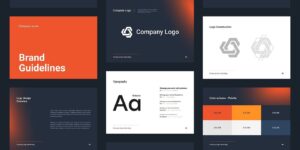
Visual Identity Design: Creating logos, brand colors, and guidelines that define a company’s look and feel.
-
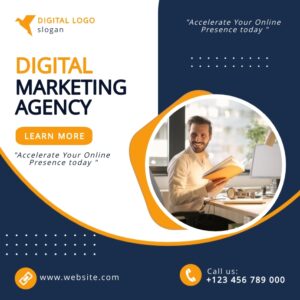
Marketing & Advertising Design: Crafting eye-catching materials like flyers, posters, and online ads that promote a product or service.
-
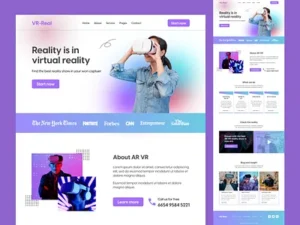
Web and UI/UX Design: Designing intuitive and visually appealing interfaces for websites and apps.
-
Packaging Design: Developing creative packaging that protects the product and attracts customers on the shelf.

-
Motion Graphics Design: Using animation and video to tell stories or explain complex concepts.

Why Graphic Design Matters
-
First Impressions Count
A well-designed visual instantly captures attention and builds credibility. Whether it’s a business card or a website homepage, design often determines how people perceive you. -
Boosts Engagement
Studies show that people process visuals 60,000 times faster than text. Great design can increase user engagement and retention, especially on social media. -
Enhances Communication
Good graphic design clarifies complex messages. Think infographics, instructional illustrations, or explainer videos—they make information easier to understand. -
Strengthens Branding
Consistent, thoughtful design builds a brand’s identity and helps differentiate it in a crowded marketplace.
Essential Tools and Skills for a Graphic Designer
To thrive in graphic design, one needs both creative instincts and technical knowledge. Some must-have tools include:
-
Adobe Creative Suite (Photoshop, Illustrator, InDesign)
-
Figma or Sketch for UI/UX design
-
Canva for quick and simple projects
Key skills include:
-
A strong grasp of color theory, typography, and composition
-
Creativity and problem-solving
-
Communication and collaboration
-
Attention to detail
The Future of Graphic Design
As technology evolves, so does graphic design. Augmented reality, AI-generated graphics, and interactive design are just a few of the innovations shaping the future. But while tools may change, the heart of design—storytelling, empathy, and clarity—remains the same.
very good
Thanks for your valuable response and your feedback is very crucial for us.